
Prediction of Irans Economic Future After the War with the U.S and Israel in 2027
1. Iran’s Economy Before the 12-Day War with Israel (June 2025)
Before the June 2025 conflict, Iran’s economy was already operating under structural pressure. Years of sanctions, limited access to global financial systems, and currency instability had created a fragile macroeconomic environment. Stay with Nima Imani’s website for more insights.
Key characteristics of the pre-war economy:
- High inflation baseline: Annual inflation fluctuating between 35–50%
- Weak national currency (IRR) with persistent depreciation
- Oil-dependent revenue model, though partially adapted via shadow exports
- Growing informal economy due to sanctions and regulatory constraints
- Low foreign direct investment (FDI)
Despite these constraints, Iran had developed resilience mechanisms:
- Parallel trade networks
- Increased regional trade (Iraq, China, Russia)
- Expansion of domestic production in strategic sectors
However, this resilience was defensive—not growth-oriented. The economy was stable in survival mode, not expansion.
2. Impact of the 12-Day War with Israel on Iran’s Economy
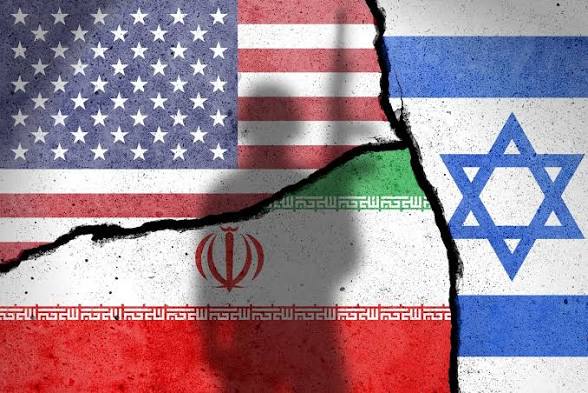
The short but intense June 2025 war acted as a shock amplifier, not a root cause of economic weakness.
Immediate impacts:
- Market panic → capital flight into gold, USD, and crypto
- Temporary disruption of oil logistics
- Stock market volatility (TSE decline)
- Supply chain interruptions, especially in imported goods
Short-term consequences:
- Spike in inflation due to supply shocks
- Further depreciation of the rial
- Increased government military spending → budget deficit expansion
However, because the war was brief, the structural damage remained limited. The economy absorbed the shock but became more fragile heading into 20263
3. The Second War: Conflict with Israel and the United States (February 2026)
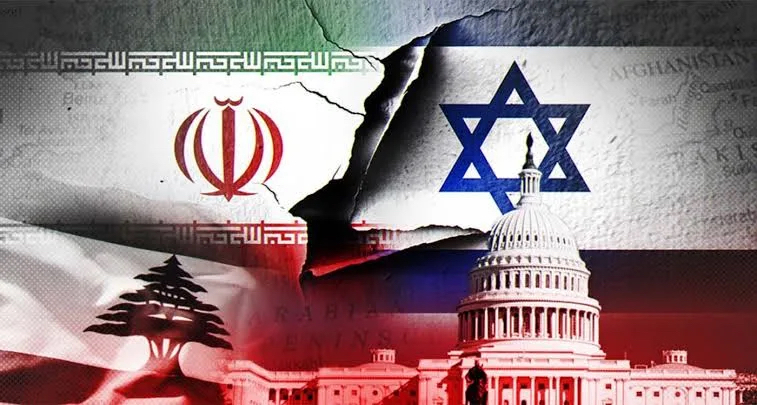
The February 2026 conflict represents a different order of magnitude.
Unlike the 2025 war:
- It involved direct U.S. participation
- It triggered broader geopolitical escalation
- It led to tighter global enforcement of sanctions
Economic consequences were significantly deeper:
Structural Impacts:
- Severe restriction on oil exports
- Near-total isolation from international banking systems
- Disruption of critical infrastructure (energy, transport, digital)
Behavioral Impacts:
- Businesses shifted into risk-off mode
- Households accelerated asset conversion (cash → gold, USD, real estate)
- Surge in capital outflow (legal and illegal)
Government Response:
- Increased money printing to cover fiscal deficits
- Price controls and subsidy expansion
- Greater reliance on barter trade and non-dollar settlements
This war pushed the economy from “fragile stability” into systemic stress.
4. Inflation and the Iranian Rial After the 2026 War
Post-2026, Iran entered a phase resembling high inflation or early-stage hyperinflation dynamics.
Inflation Outlook:
- Short-term: 60–90% annual inflation possible
- Worst-case scenario: crossing 100% if monetary expansion accelerates
Drivers:
- Currency collapse
- Supply shortages
- Fiscal deficit monetization
- Decline in productive capacity
Rial (IRR) Trajectory:
- Continuous depreciation against USD
- Emergence of multi-rate exchange systems
- Increased use of:
- USD
- Gold
- Crypto (especially USDT)
Practical Implication:
For individuals and businesses:
- Holding cash becomes value-destructive
- Hard assets outperform (real estate, gold)
- Income lag vs inflation widens significantly
Which Iranian Cryptocurrency Exchange Is More Suitable for Afghan Nationals
5. Impact on Oil Prices
Iran’s situation affects global oil markets through supply risk perception, not just actual supply.
Scenarios:
- Controlled Conflict
- Oil prices increase moderately (10–20%)
- Markets price in risk but maintain supply continuity
- Escalation in the Persian Gulf
- Oil spikes sharply (possibly $100+ per barrel)
- Disruption of shipping routes (e.g., Strait of Hormuz)
- Long-Term Sanctions Intensification
- Iran’s export share decreases
- Other producers (Saudi Arabia, U.S.) fill the gap
- Prices stabilize after initial volatility
Net Effect:
- Short-term: bullish for oil prices
- Long-term: neutralized by global supply adjustment
6. Iran’s Global Economic Ranking Before and After the 2026 War
Before 2026:
- GDP (PPP): Around top 25 globally
- Nominal GDP: Lower ranking due to currency weakness
- Regional influence: Strong in West Asia
After 2026:
- Nominal GDP ranking declines sharply
- PPP ranking may remain relatively stable (due to domestic pricing distortions)
- Loss of competitiveness in:
- Manufacturing
- Trade integration
- Financial systems
Key Shift:
Iran transitions from a mid-tier regional economy to a more isolated, inward-focused system.
7. Forecast: Iran’s Economy in the Coming Years
Short-Term (1–2 years after war):
- High inflation persists
- Currency instability continues
- Consumption declines
- Poverty rates increase
Mid-Term (3–5 years):
Two possible paths:
Scenario A: Continued Isolation
- Economic stagnation
- Expansion of informal economy
- Weak investment climate
- Structural inefficiencies deepen
Scenario B: Partial De-escalation
- Gradual sanctions relief
- Currency stabilization
- Return of limited foreign trade
- Slow economic recovery
Long-Term Outlook:
The key variable is geopolitics, not internal policy alone.
Practical Takeaways (Applied Perspective)
For individuals:
- Avoid holding large cash positions in IRR
- Diversify into:
- Gold
- Foreign currency
- Real assets
For businesses:
- Focus on essential goods/services
- Build supply chain redundancy
- Price dynamically to keep up with inflation
For investors:
- High-risk environment
- Opportunities exist in:
- Commodities
- Export-linked sectors
- But require strong risk management
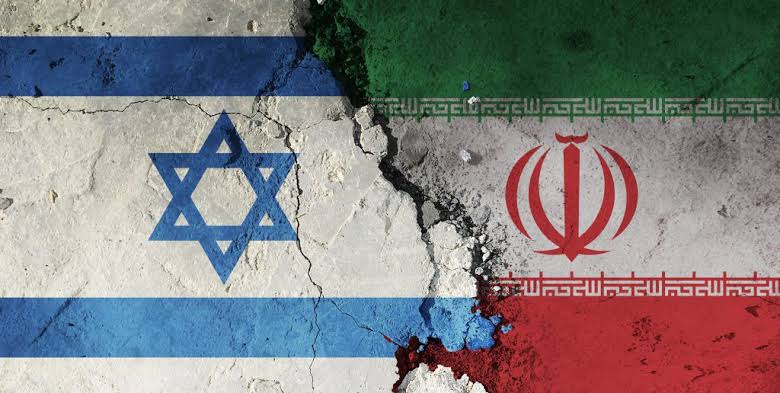
Final Assessment
The 2026 war acts as a structural breakpoint for Iran’s economy. The trajectory shifts from controlled instability to high-volatility survival economics.
Recovery is not impossible—but it is conditional, primarily on geopolitical de-escalation and partial reintegration into global systems.
Similar articles you need to read:
Introduction to Iranian Cryptocurrency Exchanges
Which Global Cryptocurrency Exchanges Provide Services to Iranians