
Today Miner Price in Iran + Guide to Factors Affecting Mining Device Prices
With the recent surge in the Bitcoin and other cryptocurrency markets, many are once again tempted to enter the world of mining. The first step is always the same: choosing a good and suitable miner. However, the reality is that the price of miners in Iran, like many other things, is not constant; one day it rises due to the dollar exchange rate, another day it’s affected by changes in internal regulations, and sometimes the profitability of the devices themselves changes the game.
In this article, we will delve into the details of this matter; what makes a miner more expensive and what keeps its price reasonable. My goal is that when you reach the purchase stage, you will know exactly what device can provide the best return for your budget.
At the end, I want to ask you: Are you currently looking for a miner to start with, or do you intend to upgrade your existing devices?
You can follow the latest finance news on Nima Imani’s website.
Table of Content
- Mining Status in Iran
- Mining Regulations in Iran
- Electricity Prices in Iran
- Prices of Popular Miner Devices in Iran
- Factors Affecting Miner Prices
- Processing Power or Hash Rate
- Electricity Consumption
- Network Status and Price
- Weight and Size
- Manufacturer and Brand
- New or Used Condition
- Frequently Asked Questions
- Conclusion

Mining Status in Iran
The status of the cryptocurrency mining industry in Iran is far more complex than it appears. Until early 2019, Iranian miners were actively involved in this industry with significant power, and conditions were favorable. However, in the summer of 2019, a wave of strict restrictions began. During that summer, thousands of Bitcoin mining devices were confiscated, and dozens of operators faced heavy fines.
On May 26, 2021 (5 Khordad 1400), the Twelfth Government, following repeated power outages in Iran, officially banned cryptocurrency mining until the end of September. This law also applied to licensed miners. Due to energy crisis-related problems, the government decided to address this situation with a resolution.
Mining Regulations in Iran
The first resolution concerning mining was approved by the government on August 4, 2019 (13 Mordad 98). This resolution officially recognized mining as a legal activity. However, miners were mandated to obtain a license from the Ministry of Industry, Mine, and Trade. Furthermore, mining using agricultural, industrial, and residential/commercial electricity was prohibited.
According to this resolution, miners were required to procure electricity from the Ministry of Energy at an export tariff rate, which was approximately nine times higher than the industrial electricity rates previously used by miners. On the other hand, due to customs issues, most mining devices in the country were labeled as smuggled goods, which, according to the law, allowed judicial authorities to confiscate them.
The legal framework for cryptocurrency mining in Iran continues to be based on the necessity of obtaining a license from the Ministry of Industry, Mine, and Trade (IMT). However, the government’s approach in 2024 has become more stringent:
- Increased Penalties for Illegal Mining: New regulations have introduced heavier penalties for unlicensed operators, including significant fines and even imprisonment.
- Obligation to Sell Currency to the Central Bank: A primary condition for the legal operation of mining farms is the sale of extracted digital currency to the Central Bank.
- Prohibition of Use in Domestic Transactions: The use of cryptocurrencies as a payment method within the country remains prohibited.
- New Central Bank Regulatory Framework: In late 2023 (December), the Central Bank approved a new regulatory framework emphasizing the tax obligations of exchanges and industry players.
Electricity Prices in Iran
Perhaps the most significant and challenging change for mining industry stakeholders has been the considerable increase in electricity prices. According to the latest directive from Tavanir Company, the new electricity tariff for authorized cryptocurrency mining centers for the three-month period from May 18 to August 8, 2024 (28 Ordibehesht to 28 Mordad 1404) is 4600 Tomans (46,000 Rials) per kilowatt-hour.
This rate, calculated based on the average Rial price of exported electricity and the exchange rate at the Center for Exchange and Gold, signifies a substantial rise compared to previous tariffs. Earlier in 2024, rates around 28,320 Rials and 3200 Tomans per kilowatt-hour were announced.
Consequently, the price per kilowatt-hour of electricity consumed by licensed mining centers was set at 16,574 Rials. This amount was calculated with a coefficient of 0.5 during Type 3 (normal) periods and a coefficient of 2 during Type 2 (restricted) periods. Furthermore, during Type 1 (critical peak) periods, selling electricity to mining centers through the grid was declared prohibited.
Prices of Popular Miner Devices in Iran
Following the onset of challenges for players in Iran’s mining industry, as detailed above, the buying and selling of mining devices in the country also faced a crisis.
Today, mining devices are still bought and sold in Iran; however, the market is by no means regulated or secure. The price difference between various sellers is considerable, and numerous scammers are plotting to empty the pockets of unsuspecting individuals. Therefore, when purchasing a mining device, be sure to conduct thorough research, understand the points to consider before buying a miner, and preferably proceed in person.
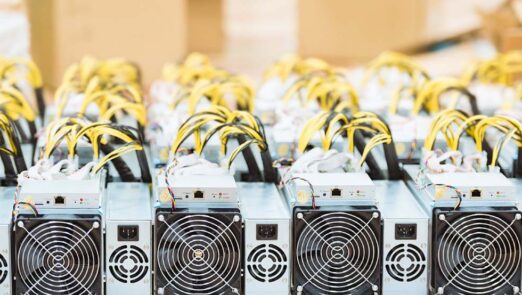
Below is a list of prices for 16 new and popular Bitcoin mining devices. These devices are used on an industrial scale. Some of the devices we mention are the latest miners in the world; however, some are older and have less mining power. Despite this, some older miners have not lost their profitability and remain popular in Iran.
Latest Update on miners price : 2025 May 22
| Mining Device (Power) | Estimated Price in Iran | Device Condition |
|---|---|---|
| Bitmain Antminer S21 (200Th) | 155 Million Tomans | New (Sealed) |
| Bitmain Antminer S19 Pro (110Th) | 117 Million Tomans | New (Sealed) |
| Bitmain Antminer S19 Pro (110Th) | 120 Million Tomans | Used |
| Bitmain Antminer S19 (95Th) | 96 Million Tomans | New (Sealed) |
| Bitmain Antminer S19 (95Th) | 49 Million Tomans | Used |
| Bitmain Antminer T17+ (58Th) | 79 Million Tomans | Used |
| Bitmain Antminer S11 (19.5Th) | 27 Million Tomans | Used |
| Bitmain Antminer S9j (14.5Th) | 10 Million Tomans | Used |
| MicroBT Whatsminer M50s (156Th) | 200 Million Tomans | New (Sealed) |
| MicroBT Whatsminer M50s (142Th) | 142 Million Tomans | Used |
| MicroBT Whatsminer M50 (122Th) | 101 Million Tomans | New (Sealed) |
| MicroBT Whatsminer M50 (124Th) | 92 Million Tomans | Used |
| MicroBT Whatsminer M30++ (108Th) | 87 Million Tomans | New (Sealed) |
| MicroBT Whatsminer M30++ (110Th) | 64 Million Tomans | Used |
| Innosilicon T2Ti (25Th) | 21 Million Tomans | Used |
| Ebang Ebit E9i (13.5Th) | 14 Million Tomans | Used |
| Goldshell Mini-DOGE III | 92 Million Tomans | New (Sealed) |
| Goldshell HS-BOX 2 | 11 Million Tomans | New (Sealed) |
| IceRiver KS0 ULTRA | 73 Million Tomans | New (Sealed) |
| VolcMiner D1 Lite 14Gh | 970 Million Tomans | New (Sealed) |
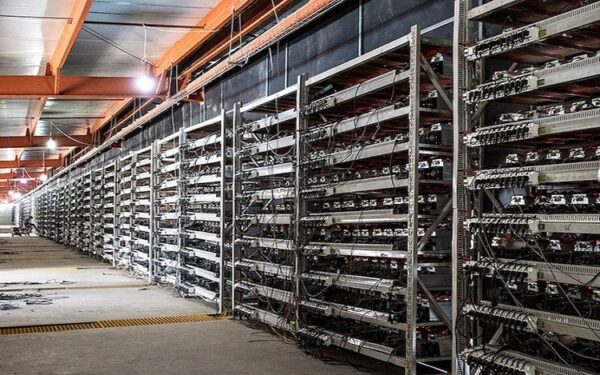
Factors Affecting Miner Prices
The shorter the Return on Investment (ROI) period, meaning the time it takes for the purchase cost of a device to be recouped, the higher the demand for that device, and consequently, its price increases. However, broadly speaking, the most critical factors influencing a miner’s price are:
Processing Power or Hash Rate of the Device
The hash rate indicates the processing power of mining devices; the higher it is, the greater the device’s power. In simple terms, this processing power signifies how much a mining device can contribute to the network in processing blocks.
Therefore, a higher processing power or hash rate means the device has greater computational capability and can mine a larger amount of cryptocurrency within a specific timeframe.
Electricity Consumption
Alongside the hash rate, electricity consumption is the most significant variable directly impacting mining profitability, ROI, and consequently, the miner’s price. In countries with high electricity tariffs, power-hungry mining devices (relative to their power) are very inexpensive.
Among these, some new models recently introduced to the market, such as the Antminer S19 Pro+ Hyd 198TH/s or the Antminer S19 XP Hyd 255TH/s, consume higher electricity compared to their older counterparts. Simultaneously, these two models utilize water coolers instead of the conventional fans found in mining devices, which reduces the noise level from 70 to 50 decibels.
Network Status and Price
Network Difficulty is a variable in Bitcoin and some other cryptocurrencies that increases in sync with the network’s processing power, making mining more difficult.
When the mining difficulty increases and the price of the target cryptocurrency (like Bitcoin’s price) does not rise proportionally, the profitability of mining devices decreases, consequently leading to a drop in their prices.
Due to the introduction of new mining devices, the network’s processing power increases, and so does the difficulty. As a result, after some time, the profitability of older mining devices diminishes, and their prices plummet.
Weight and Size
The compactness and light weight of mining devices are considered advantages and influence their price. The weight and size of devices used in bulk are generally similar to each other.
Manufacturer Company and Brand
When buying a laptop or phone, you likely pay close attention to the product’s brand. Some products are priced higher simply because the brand and the factory that produced them have a strong track record in that field.
Similarly, in the realm of mining devices, the manufacturer’s company is highly significant. Among the most renowned companies currently producing mining devices are Bitmain, the manufacturer of Antminer devices, and MicroBT, the producer of Whatsminer devices. The products from these two companies are priced higher than those from other manufacturers.
New (Sealed) or Used Device Condition
As can be anticipated and observed in the device price table, one of the key factors determining a miner’s price is whether it is new (sealed) or used. We’ve previously mentioned that miner prices in Iran are variable and do not always follow fixed principles. This applies to both new and used devices; however, generally, new devices command higher prices than used ones.
Regarding used devices, naturally, the newer the device and the better its condition, the higher its price. Some used devices can even approach the price of their new counterparts.
When purchasing used miners, be sure to pay attention to factors such as how the device has been maintained, the conditions under which it was stored, its physical integrity, and the noise it produces. Miners are devices with high wear and tear, requiring specific care. If these devices have not been maintained properly, their lifespan will be reduced.
Frequently Asked Questions (FAQ)
What are the most important factors affecting the price of mining devices in Iran?
The prices of mining devices in Iran are influenced by several factors, including global cryptocurrency prices, exchange rates (especially the US dollar), processing power (hash rate) and energy efficiency of the device, domestic market supply and demand, as well as customs and legal costs for importing authorized devices.
Is cryptocurrency mining legal in Iran?
Yes, cryptocurrency mining is legal in Iran, provided a license is obtained from the Ministry of Industry, Mine, and Trade, and electricity is used at the export industrial tariff rate.
What are the main challenges facing mining operators in Iran?
Key challenges include the high cost of electricity at the export tariff, limitations in electricity supply during peak consumption seasons (summer and winter), difficulties in importing and repairing parts due to sanctions, and significant fluctuations in cryptocurrency prices.
Conclusion
In this article, we aimed to examine the cryptocurrency mining industry in Iran, explore its major challenges, introduce some of the most well‑known mining devices available in the country, and outline their general price ranges.
However, as mentioned throughout the article and worth emphasizing once again cryptocurrency mining without a government-issued license is prohibited and illegal in Iran. This activity involves numerous risks which, combined with the inherent challenges of mining itself (such as increasing mining difficulty, market crashes, electricity costs, regulatory barriers, hardware obsolescence, and more), turn it into a highly risky undertaking.
If, despite all the points discussed, you still intend to purchase a mining device, you should keep in mind that most of these machines enter the country illegally and through smuggling. As a result, the market is filled with significant price disparities, lack of customer support, and a high rate of fraudulent activity.
Similar articles you need to read:
How Much Oil Do Iran and Middle Eastern Countries Produce, and How Much Do They Earn from It
The Disadvantages of Mining Cryptocurrency with a Mobile Phone
Bitcoin Mining with Solar Panels – Is It Profitable