

How Much Oil Do Iran and Middle Eastern Countries Produce, and How Much Do They Earn from It?
You have probably heard the phrase “oil is black gold.” In the Middle East, this “gold” can truly shape the destiny of a nation. From Iran and Saudi Arabia to Qatar and the UAE, oil revenues play a decisive role in government budgets and influence the lives of millions of people.
So the real question is: How much oil does each of these countries actually produce?
What is their annual income from oil exports?
And more importantly, how long will their reserves last to meet domestic and global demand?
In this article, we answer these questions clearly and without complexity, offering an updated and focused look at the oil industry of Iran and other major oil powers in the region. Stay with Nima Imani’s website as we break it all down.
Table of Content
- Iran | How many barrels of oil does Iran produce daily?
- Saudi Arabia | Saudi Arabia’s largest oil company: Aramco
- United Arab Emirates | What is the market value of UAE’s oil sector?
- Qatar | How much is Qatar’s oil market worth?
- Kuwait | Total value of Kuwait’s oil market
- Conclusion: Summary and Comparison
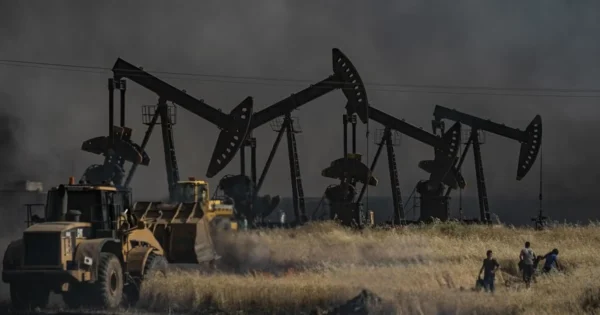
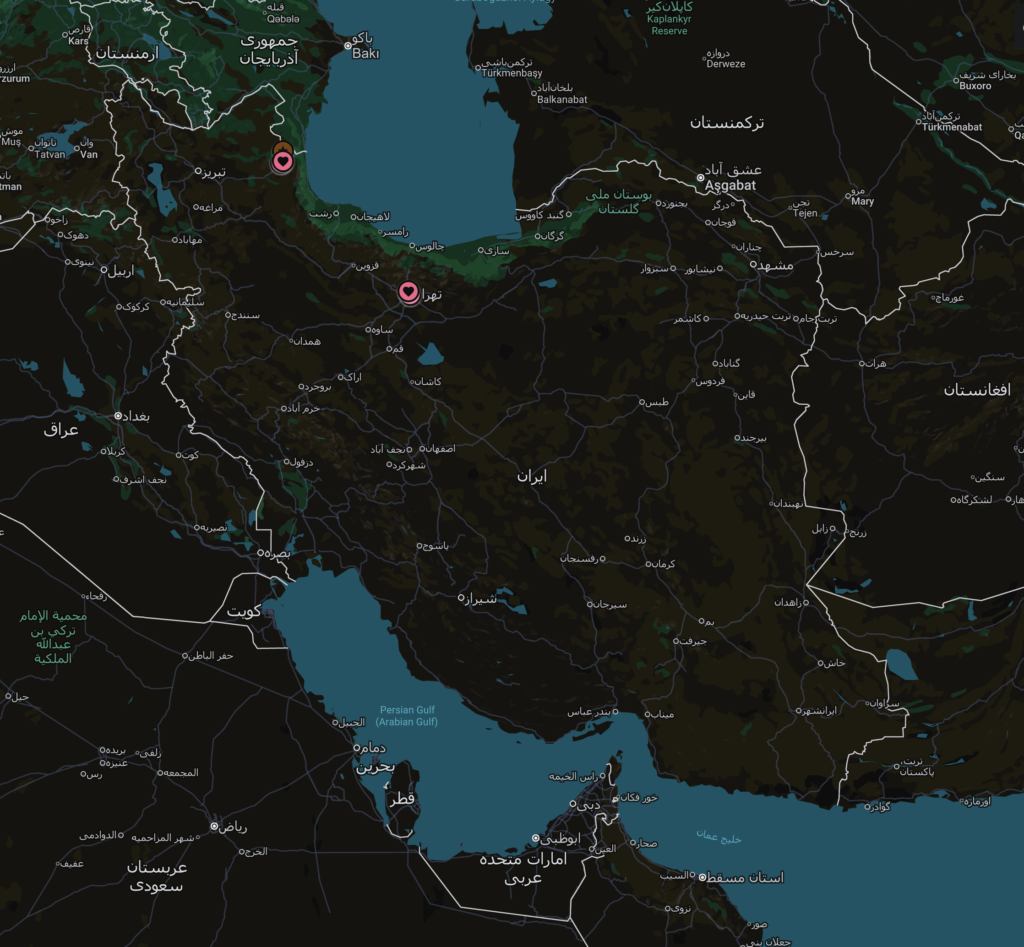
1. Iran | How Many Barrels of Oil Does Iran Produce Per Day?
According to the latest monthly OPEC report for January 2026, Iran’s oil production has reached 3,129,000 barrels per day. This figure represents a decrease of about 81,000 barrels compared to December 2025.
Looking at annual data provides a clearer view of production trends: Iran’s average daily production in 2025 was 3.263 million barrels, and in 2024 it was 3.257 million barrels. These numbers show a slight upward trend over the two‑year period, despite monthly fluctuations.
Iran remains the third-largest oil producer in OPEC, after Saudi Arabia and Iraq. The price of Iran’s heavy crude in January 2026 was 60.87per barrel ,a 57‑cent drop compared to 60.87 per barrel , a 57‑cent drop compared to 61.44 in December 2025, consistent with a broader decline in several OPEC crude grades.
How Much of Iran’s Oil Production Is Exported?
Iran’s export volumes fluctuate due to sanctions and market conditions. According to a member of Iran’s Parliamentary Presidium in February 2026, Iran currently exports about 1.6 million barrels per day. Other sources, such as the analytics firm Kpler, estimate exports at around 1.4 million barrels per day.
These discrepancies stem from sanctions, indirect sales, and different tracking methodologies.
Which Countries Buy Oil from Iran?
In recent years, Iran’s primary oil customers have mostly been Asian countries.
The largest buyer is China.
Other traditional buyers include India, South Korea, and Japan, though their purchases have fluctuated due to sanctions.
In recent months, Syria has also been importing part of its oil needs from Iran.
How Much Oil Revenue Does Iran Earn Annually?
Forecasts for Iran’s oil revenue in 2026 vary. According to the International Monetary Fund (IMF):
- With exports of 1.4 million barrels per day and an average price of 64 per barrel ,Iran’sannual oil revenue would be about 64 per barrel , Iran’s annual oil revenue would be about 22.6 billion.
- If exports reach 1.6 million barrels per day, revenue could rise to $24.3 billion.
Additionally, a member of the Parliamentary Presidium predicted Iran’s oil earnings for 2026 could reach around $30 billion.
What Is the Total Market Value of Iran’s Oil Industry?
The total market value of Iran’s oil industry (based on stock-listed companies in the Tehran Stock Exchange) is not officially published. However, by examining the market capitalization of the Petroleum Products Group, one of the main segments representing Iran’s oil and refining sector, we can estimate an approximate value.
Based on analyzed data, the combined market value of Iran’s oil and refining companies is around
655 quadrillion rials (655,000,000,000,000 rials).
This figure corresponds to the petroleum products group, which includes major refineries such as Shapna, Shabandor, Shatran, Shabrez, and others—representing a significant share of Iran’s oil industry.
Converting this valuation into USD (as of March 2026), the approximate total value of Iran’s oil industry equals about 4 billion dollars.
How Much of Iran’s Gasoline Is Produced Domestically, and How Much Is Imported?
Iran has become one of the largest gasoline producers in the region. Currently, more than 95% of the gasoline consumed in the country is produced domestically.
However, due to rising consumption and energy imbalances, Iran needs to import gasoline during certain months—particularly during the summer peak and the Nowruz holiday season.
While official figures for gasoline imports in 2026 (1404) have not yet been published, estimates indicate that Iran imports 5 to 10 million liters per day to stabilize the market.
Depending on global fuel prices, the annual cost of these imports can reach between 2 billion dollars.
How Much Is Iran’s GDP?
According to the International Monetary Fund (IMF), Iran’s Gross Domestic Product (GDP) in 2025 is estimated at $356 billion, ranking 44th globally in 2026.
This figure marks a decline compared to $416 billion in 2024, primarily due to:
- A drop in economic growth to 0.6%
- Inflation exceeding 40%
- Ongoing currency instability
If GDP is measured based on Purchasing Power Parity (PPP), Iran’s economy is valued at approximately $1.87 trillion, highlighting reduced purchasing power and a shrinking real economy.
Fluctuations in the exchange rate, sanctions, and oil sales remain the key determinants influencing Iran’s GDP.
How Much Proven Oil Does Iran Have?
Based on global rankings of proven oil reserves, Iran possesses 209 billion barrels of confirmed crude oil reserves, making it the third-largest holder of oil resources after Venezuela and Saudi Arabia.
To calculate the total value of these reserves, assuming an average price of $60 per barrel, Iran’s oil holdings would be worth approximately:
$12.54 trillion (12,540 billion dollars).
A comprehensive overview of production, consumption, exports, reserves, and economic indicators
| Category | Value | Description |
|---|---|---|
| Daily Crude Oil Production | 3.5 million barrels | Increase compared to previous years |
| Daily Oil Export | 1.8 to 2 million barrels | Mainly exported to China, Syria, and Venezuela |
| Daily Natural Gas Production | 1 billion cubic meters | 40% supplied by South Pars |
| Gas Consumption Share | 35% households — 33% power plants — 30% industries | Very high domestic gas consumption |
| Total Gas Losses | 100 million cubic meters per day | Due to old pipelines and inefficiency |
| Daily Electricity Production | Over 70,000 MW | 80% generated from natural gas |
| Electricity Imports | Mainly from Turkmenistan and Azerbaijan | Used during peak consumption |
| Domestic Gasoline Production | More than 95% of domestic consumption | Iran has become one of the largest gasoline producers in the region |
| Daily Gasoline Imports | 5 to 10 million liters | During peak demand (summer and Nowruz) |
| Annual Value of Gasoline Imports | $1 to $2 billion | Depends on global petroleum product prices |
| Gross Domestic Product (GDP) | $356 billion | 2025 estimate, down from $416 billion in 2024 |
| GDP Based on Purchasing Power Parity (PPP) | $1.87 trillion | Indicates low purchasing power in Iran |
| Proven Oil Reserves | 209 billion barrels | Third-largest reserves globally after Venezuela and Saudi Arabia |
| Total Value of Oil Reserves | $12.54 trillion | Assuming a price of $60 per barrel |
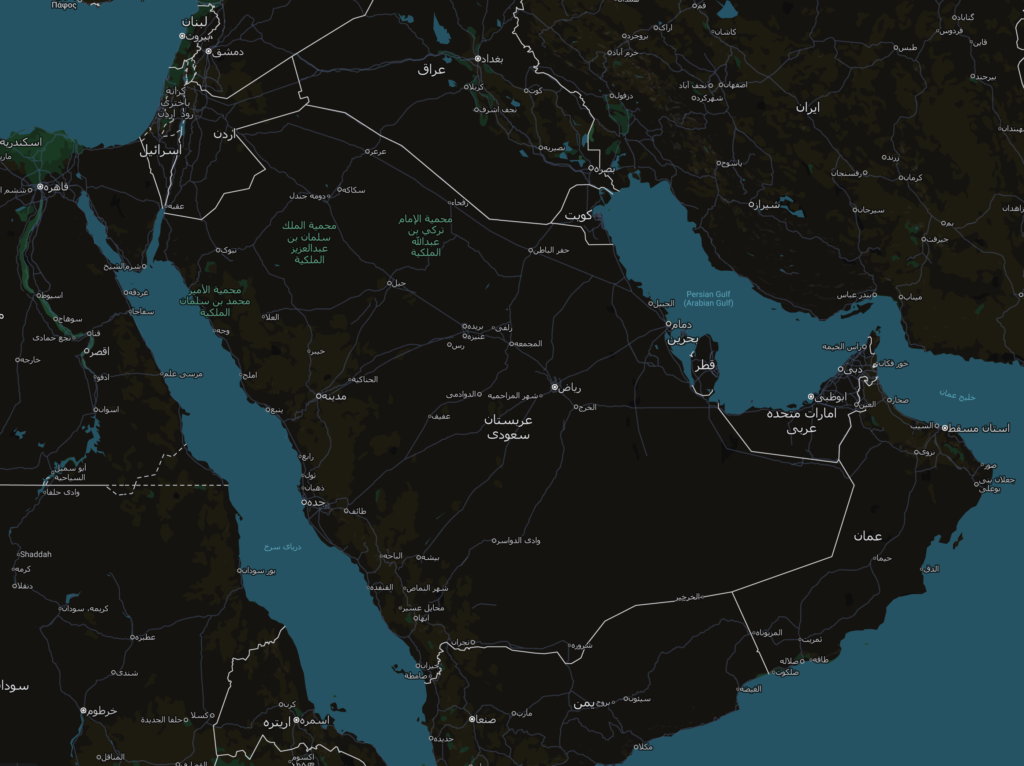
2. Saudi Arabia | Saudi Arabia’s Largest Oil Company, Aramco
Saudi Aramco, established in 1933 and fully nationalized in 1980, is not only the world’s largest oil company but also one of the most valuable companies in economic history. The market value of this oil giant has fluctuated between 2.4 trillion in recent years, surpassing Apple as the world’s most valuable company in May 2022.
Aramco plays a vital role in Saudi Arabia’s economy, possessing 259 billion barrels of proven oil reserves (the second largest in the world) and producing approximately 10.6 million barrels of oil per day. The company owns the world’s largest onshore oil field (Ghawar) and the world’s largest offshore oil field (Safaniyah). Its profitability is such that in 2022, it recorded a net profit of over $161 billion.
What is the total value of Saudi Aramco?
Saudi Aramco’s market value has seen significant fluctuations in recent years. In December 2019, the company debuted on the Saudi stock exchange with an Initial Public Offering (IPO) of 1.5% of its shares, valued at 29.4billion, reaching a market capitalization of 29.4 billion The initial target set by Crown Prince Mohammed bin Salman was to achieve a valuation of 2 trillion,and in May 2022,following the increase in oil prices after Russia′s invasion of Ukraine,Aramco′s value peaked at 2 trillion.
However, the company’s value has been on a downward trend since then. According to the latest figures from January 2026, its market value has decreased to approximately $1.65 trillion. This decline is mainly due to falling global oil prices, reduced demand from China, and investor concerns about the significant costs associated with Saudi Arabia’s massive economic projects, such as the NEOM city.
How much oil does Saudi Arabia extract daily?
As the world’s second-largest oil producer (after the US) and the largest OPEC producer, Saudi Arabia plays a key role in regulating the oil market. According to OPEC+ agreements, Saudi Arabia’s oil production in recent months (February-March 2026) has been around 9 million barrels per day. The country has a production capacity of over 12 million barrels per day but has limited its production to maintain prices.
How many barrels of oil does Saudi Arabia export daily?
Saudi Arabia typically exports between 60% and 70% of its produced oil. Based on the latest official statistics from the Joint Organizations Data Initiative (JODI) in February 2026, Saudi Arabia’s crude oil exports reached 6.988 million barrels per day in December 2025. This figure represents a decrease from November 2025, when exports were 7.378 million barrels per day, marking the lowest export level since September 2025.
Interestingly, Saudi Arabia’s oil production reached 10.084 million barrels per day in December 2025, the highest level since April 2023. A portion of this oil is for domestic consumption; Saudi refineries processed 2.738 million barrels daily in December, and 210,000 barrels were directly burned for power generation.
Which countries are Saudi Arabia’s oil customers?
Saudi Arabia’s main oil customers are Asian countries. China (the largest buyer), India, South Korea, and Japan are at the top of Saudi Arabia’s oil importer list. Saudi Arabia also exports oil to European countries and the United States.
What is Saudi Arabia’s annual oil revenue?
Saudi Arabia’s oil revenue varies depending on production and oil prices. Assuming a production of 9 million barrels per day, exports of 6.5 million barrels, and a price of 75perbarrel, Saudi Arabia’s annual revenue from oil sales is estimated to be around 178 billion.
What is Saudi Arabia’s GDP? How does it compare to Iran?
Saudi Arabia’s Gross Domestic Product (GDP) in 2025 is estimated to be around 1 according to the latest figures from the International Monetary Fund, placing the country as the 19th largest economy in the world. In contrast, Iran’s economy stands at, ranking 44th globally. Notably, Saudi Arabia’s economic growth in 2025 is projected at about 4%, while Iran’s growth is only 0.6%.
Furthermore, from 2020 to 2025, Saudi Arabia’s economy has grown by approximately 553billion, whereas Iran’s economic growth during the same period was only 176 billion. These figures indicate that not only is Saudi Arabia’s economy currently 2.75 times larger than Iran’s, but this gap is also widening each year.
What are Saudi Arabia’s total proven oil reserves?
With 259 billion barrels of proven crude oil, Saudi Arabia is the world’s second-largest country in terms of oil reserves. The value of these reserves, at a rate of mounts to approximately.
What is Aramco’s global ranking?
Aramco is typically ranked among the world’s largest companies by market value, alongside tech giants like Apple, Microsoft, and Nvidia. The company is usually among the top 5 global companies and has occasionally held the first or second position.
| Title | Value | Description |
|---|---|---|
| Total Company Value (Aramco) | $1.65 Trillion | As of January 2026, down from a peak of $2.42 trillion in May 2022 |
| Daily Crude Oil Production | ~9 Million Barrels | Largest OPEC producer, with a nameplate capacity of over 12 million barrels |
| Daily Crude Oil Exports | 6.988 Million Barrels | December 2025 data (based on JODI), a decrease from the previous month |
| Buyer Countries of Saudi Oil | China, India, South Korea, Japan | China is the largest buyer, with exports also to Europe and America |
| Annual Oil Sales Revenue | $1.1 Trillion | Estimated assuming 9 million production, 6.5 million exports, and $75/barrel price |
| Gross Domestic Product (GDP) | $1.1 Trillion | 2025 estimate, 19th globally, with 4% growth |
| GDP Comparison with Iran | 2.75 Times Iran | Saudi economy Iran1.1 trillion, 400 billion |
| Proven Oil Reserves | 259 Billion Barrels | Second largest reserves in the world after Venezuela |
| Total Value of Oil Reserves | $19.4 Trillion | Assuming a price of $75 per barrel |
| Global Ranking of Aramco | Among Top 5 Companies Globally | Competes with Apple, Microsoft, and Nvidia, sometimes ranking first or second |
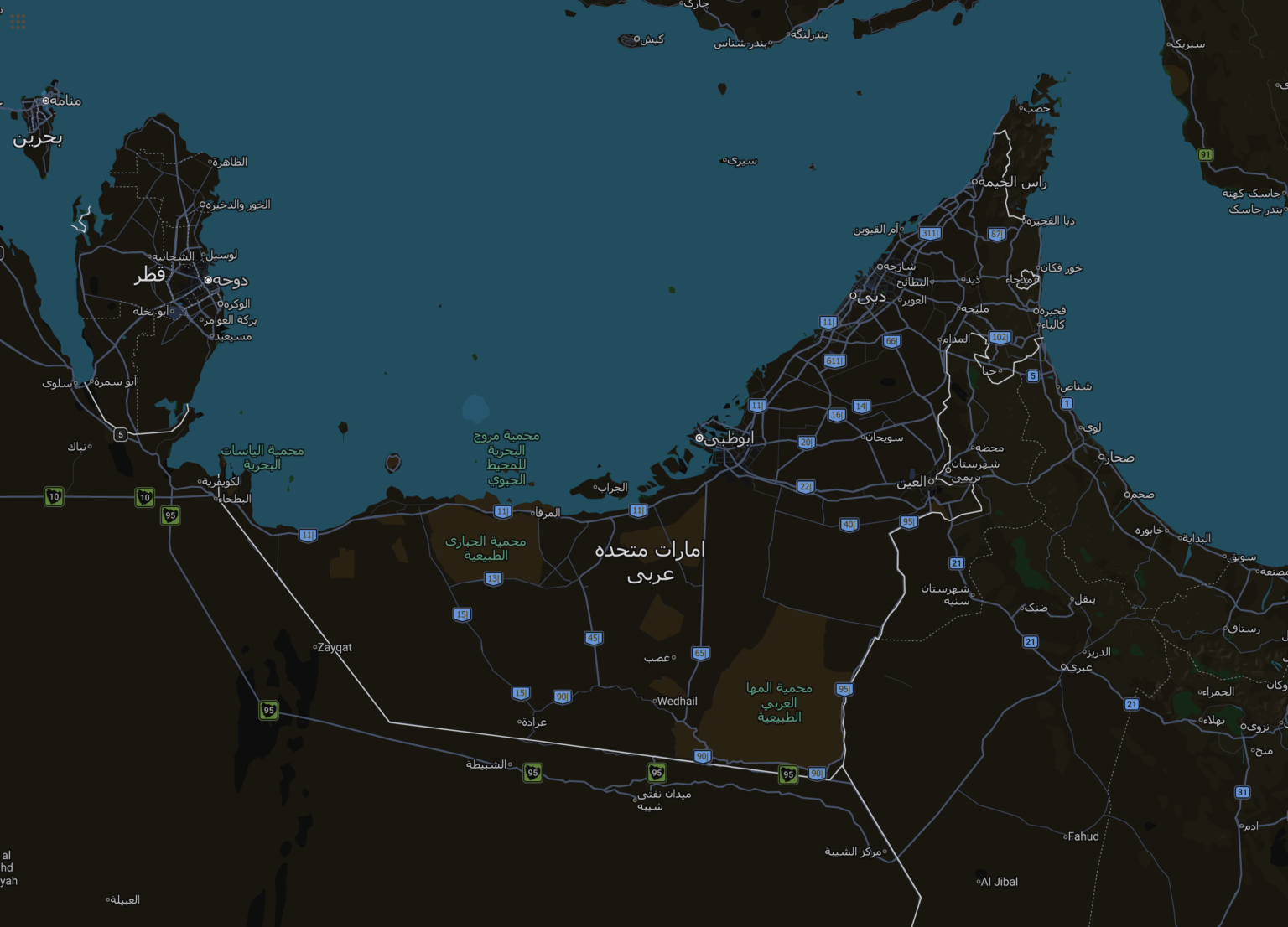
3. United Arab Emirates | Market Value of UAE’s Oil?
The majority of the UAE’s oil industry is under the control of the Abu Dhabi National Oil Company (ADNOC). Although ADNOC itself has not been fully listed on the stock exchange, several of its subsidiaries have gone public. The market value of these subsidiaries, including ADNOC Gas (approximately 76billion)
Furthermore, ADNOC’s international investment subsidiary, XRG, which operates in the low-carbon and chemical energy sectors, is valued at over 800 billion on its own. Considering the immense assets in crude oil, petrochemicals, and refining that remain entirely state-owned, analysts estimate the total value of ADNOC to be between
How many barrels of oil does the UAE extract and export daily?
The United Arab Emirates is one of OPEC’s key producers. The country’s current production is around 3 million barrels per day. The UAE has an ambitious plan to increase its production capacity to 5 million barrels per day by 2026 or 2027, with ADNOC investing $150 billion to achieve this goal. Approximately 2.5 million barrels of the UAE’s daily production are exported.
What is the UAE’s annual oil revenue?
Assuming a daily production of 3 million barrels, exports of 2.5 million barrels, and a price of 75perbarrel,theUAE′sannualoilrevenueisestimatedtobearound75 per barrel, the UAE’s annual oil revenue is estimated to be around 68.5 billion. However, this estimation is based on a simple formula and assumes a constant price of $75 per barrel. In reality, the UAE’s annual oil revenue fluctuates with global oil market price changes and OPEC+ decisions.
For instance, as a key member of OPEC+, the UAE is obliged to adhere to set production ceilings and sometimes limits its exports to support prices. The country also has an ambitious plan to increase its production capacity to 5 million barrels per day, which, if realized and aligned with market conditions, could significantly boost its oil revenues in the coming years.
Which countries buy oil from the UAE?
Similar to other Gulf countries, the main customers for UAE oil are Asian nations, particularly Japan, India, China, and South Korea.
What is the UAE’s GDP? How does it compare to Iran?
The UAE’s GDP is estimated to be around $520 billion in 2025. The UAE’s economy is approximately 1.3 times larger than Iran’s economy. Interestingly, the UAE’s economy is the most diversified among the Gulf Cooperation Council (GCC) countries, with less dependence on oil.
What are the UAE’s total proven oil reserves?
With 98 billion barrels of proven crude oil, the UAE ranks seventh in the world in terms of oil reserves. The value of these reserves, at a rate of 75per barrel.
| Title | Value | Description |
|---|---|---|
| ADNOC Market Value | 800 Billion 1 Trillion | Including listed subsidiaries (ADNOC Gas, Drilling, Logistics) and state assets |
| ADNOC Listed Subsidiaries | Over $110 Billion | Includes ADNOC Gas (76 Billion), Drilling and Logistics ($11 Billion) |
| Daily Crude Oil Production | Approx. 2.5 Million Barrels | Planned increase to 5 Million barrels by 2026-2027 with $150 billion investment |
| Daily Crude Oil Exports | Approx. $68.5 Billion | Equivalent to over 80% of daily production |
| Annual Oil Sales Revenue | Approx. $68.5 Billion | Estimated assuming 3 million production, 2.5 million exports, and $75/barrel price (varies with market fluctuations) |
| UAE Oil Buyer Countries | Japan, India, China, South Korea | Asian countries are the main customers, similar to other Persian Gulf countries |
| Gross Domestic Product (GDP) | $520 Billion | 2025 estimate, the most diversified economy among GCC countries |
| GDP Comparison with Iran | 1.3 Times Iran | UAE economy Iran 400 billion |
| Proven Oil Reserves | 98 Billion Barrels | Seventh largest country globally in terms of oil reserves |
| Total Value of Oil Reserves | $7.35 Trillion | Assuming a price of $75 per barrel |
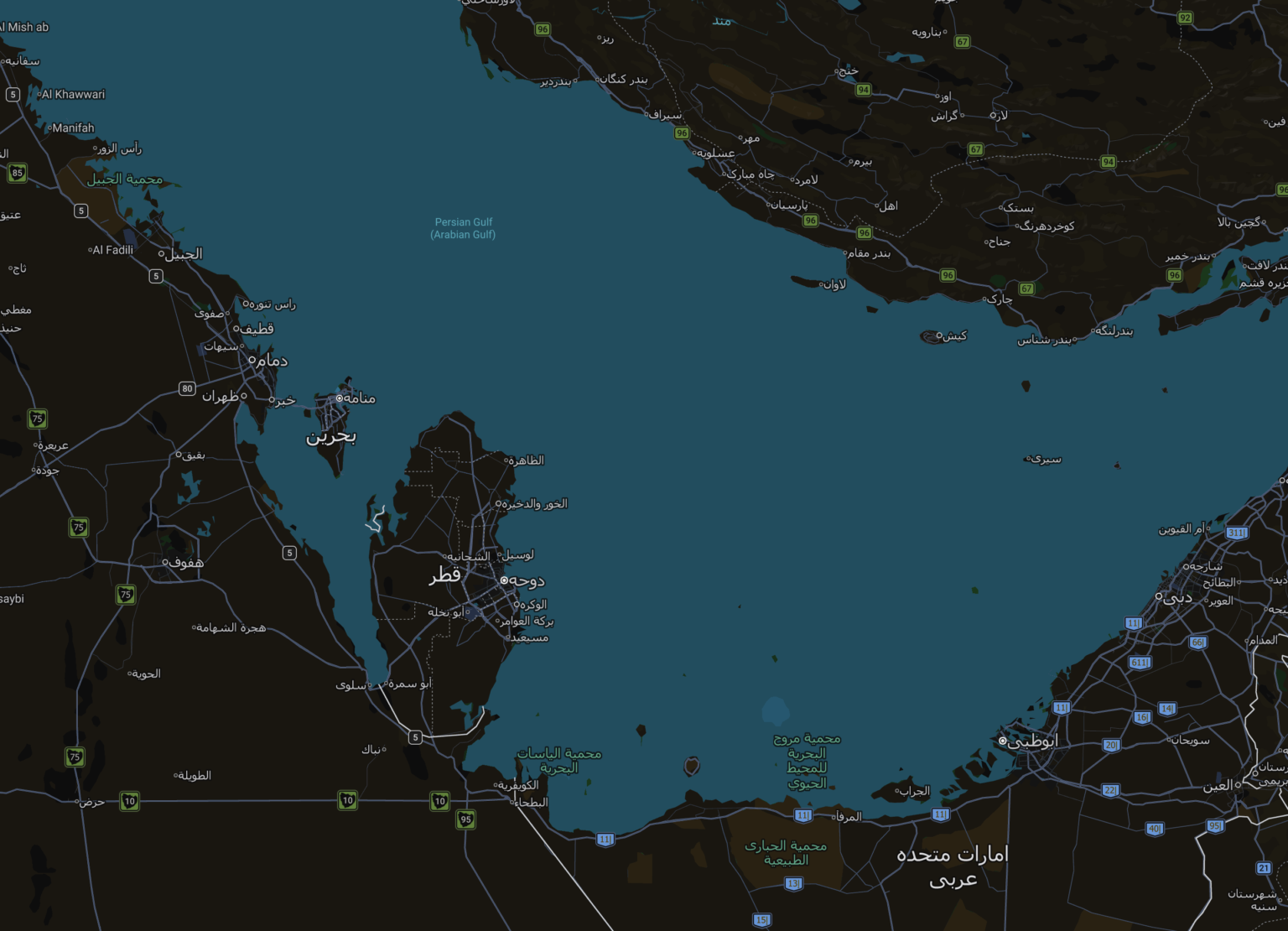
4. Qatar | What is the total market value of Qatar’s oil?
Qatar is more renowned for its vast natural gas reserves, but its oil industry is also significant. The state-owned company, QatarEnergy, oversees the country’s oil and gas industry. While the exact value of this company has not been disclosed, it is estimated to be between400 billion and 500 billion, considering its gas and oil reserves.
How many barrels of oil does Qatar produce and export daily?
Qatar’s oil production is approximately 1.3 million barrels per day, with about 1.1 million barrels of this amount being exported. Notably, this figure includes crude oil along with gas condensates and Natural Gas Liquids (NGLs). According to the latest statistics from February 2026, Qatar’s crude oil production is around 600,000 barrels per day, and it also produces approximately 750,000 barrels of gas condensates, bringing the total to 1.35 million barrels.
Despite Qatar’s global fame in LNG production, the country’s officials emphasize that they are still pursuing the exploration of new oil fields both domestically and internationally. Interestingly, even with Qatar’s focus on gas, its crude oil exports in November 2025 decreased by 7.8% compared to the same period the previous year. It is anticipated that with the implementation of the North Field gas expansion projects by 2027-2028, Qatar’s gas condensate production will also increase.
What is the annual revenue of Qatar’s oil market?
Assuming a price of 75 per barrel, Qatar’s annual oil revenue is estimated to be around 30 billion (Qatar’s gas revenue, however, is several times this figure).
What is Qatar’s GDP? How does it compare to Iran?
Qatar’s GDP is estimated to be around $235 billion in 2025. Qatar’s economy is approximately 0.6 times the size of Iran’s economy (meaning slightly more than half).
What are Qatar’s total proven oil and gas reserves?
Qatar’s proven oil reserves are approximately 25 billion barrels. However, Qatar’s strength lies in its massive natural gas reserves. Qatar ranks as the third-largest holder of gas reserves globally, after Russia and Iran. The North Field, which is shared with Iran, holds an estimated 24 trillion cubic meters of gas. The combined value of Qatar’s oil and gas is estimated to be over $5 trillion.
Additionally, in the table below, you can see a consolidated overview of Qatar’s oil industry statistics:
| Title | Value | Description |
|---|---|---|
| QatarEnergy Market Value | 400 to | Estimate based on massive gas and oil reserves, although an exact figure is not disclosed |
| Daily Oil and Condensate Production | 1.35 Million Barrels | Includes 600,000 barrels of crude oil and 750,000 barrels of condensate (Feb 2026 data) |
| Daily Oil and Condensate Exports | Approx. 1.1 Million Barrels | Equivalent to over 80% of daily production |
| Annual Oil Sales Revenue | Approx. $30 Billion | Estimate based on a $75/barrel price; Qatar’s gas revenue is several times this figure |
| Gross Domestic Product (GDP) | $235 Billion | 2025 Estimate |
| GDP Comparison with Iran | 0.6 Times Iran | Qatar’s economy 235 Billion, 400 Billion (a little more than half) |
| Proven Oil Reserves | 25 Billion Barrels | Qatar’s oil reserves |
| Proven Gas Reserves | 24 Trillion Cubic Meters | Third largest gas reserves in the world (North Field/South Pars shared with Iran) |
| Combined Value of Oil and Gas Reserves | Over $5 Trillion | Estimate of the total value of Qatar’s hydrocarbon reserves |
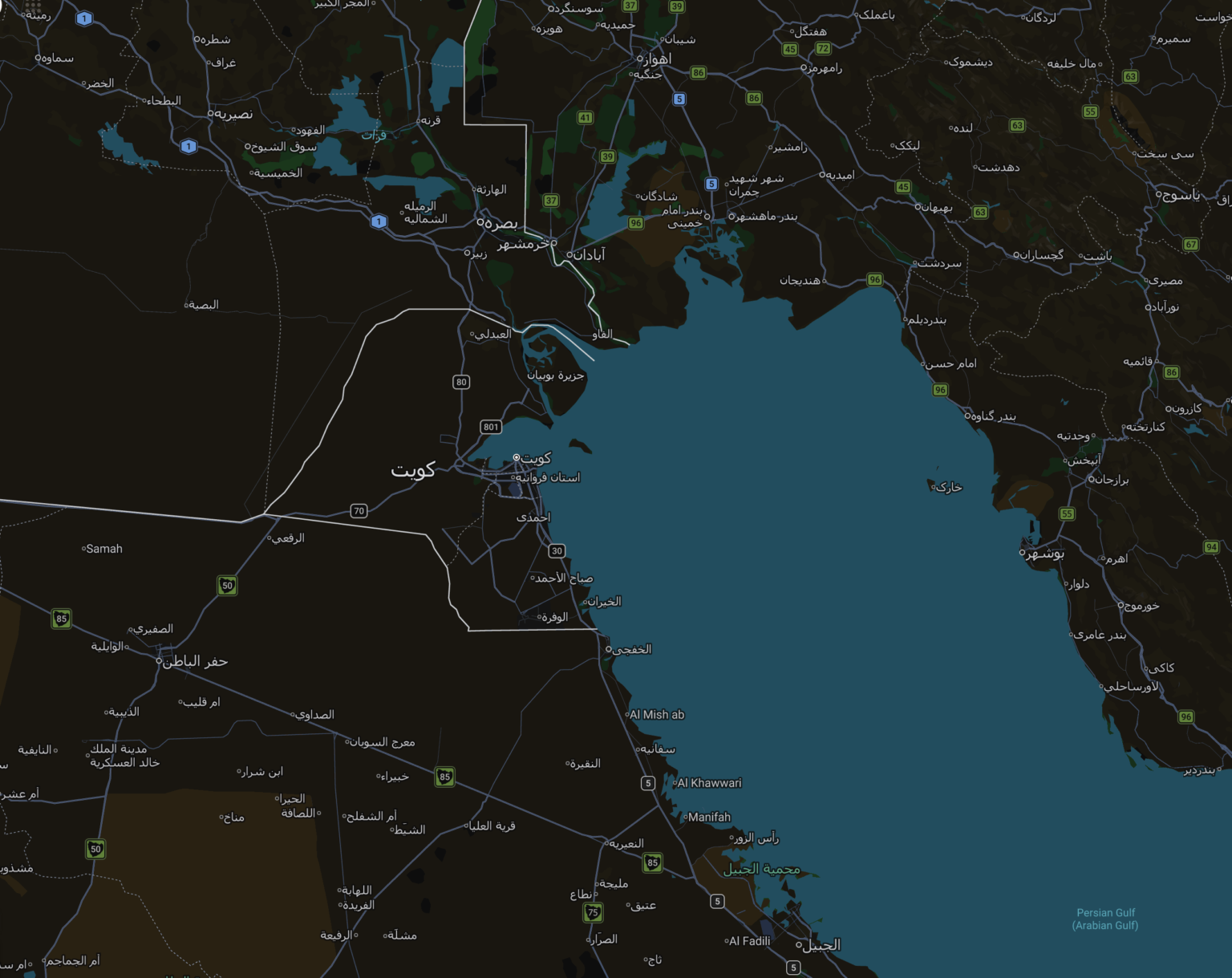
5. Kuwait | What is the total market value of Kuwait’s oil?
The Kuwait Oil Company (KOC), a subsidiary of the Kuwait Petroleum Corporation (KPC), is considered the primary entity managing the country’s oil industry. KPC, as the parent company, is spearheading a massive 30 billion plan (2024-2029) to increase production from 2.9 million to 3.2 million barrels per day by 2026.
The company operates the immense Burgan field (the world’s second-largest oil field), where the cost of oil extraction is less than 4per barrel, one of the lowest rates globally. In the down stream sector ,the Al−Zourrefinery,with a capacity of 615,000 barrels per day, has been fully operational since 2025. Considering the seas set sand development plans, the total value of Kuwait Petroleum Corporation is estimatedt obebet ween 4 per barrel, one of the lowest rates globally.
How many barrels of oil does Kuwait produce and export daily?
Based on the latest OPEC+ decisions at the February 2026 meeting, Kuwait’s oil production ceiling for March 2026 has been set at 2.58 million barrels per day. This figure is consistent with the country’s production in December 2025 and January 2026, indicating a stabilization of Kuwait’s production within the framework of OPEC+ agreements.
What is Kuwait’s annual oil revenue?
Assuming a price of Kuwait’s annual oil revenue is estimated to be around
What is Kuwait’s GDP? How does it compare to Iran?
Kuwait’s GDP is estimated to be around $185 billion in 2025. Kuwait’s economy is approximately 0.46 times the size of Iran’s economy (less than half).
What are Kuwait’s total proven oil reserves?
With 102 billion barrels of proven crude oil, Kuwait ranks sixth in the world in terms of oil reserves. The value of these reserves, at a rate of 75perbarrel.
Additionally, in the table below, you can see a consolidated overview of Kuwait’s oil industry statistics:
| Title | Value | Description |
|---|---|---|
| Kuwait Petroleum Company Total Value | 400 Billion | Estimate based on assets and KPC’s $410 billion investment plan until 2040 |
| Kuwait Petroleum Company Investment Plan | $410 Billion by 2040 | Includes field development, refinery capacity increase, and petrochemical projects |
| KOC Production Increase Plan | $30 Billion (2024-2029) | Increase production from 2.9 to 3.2 million barrels per day by 2026 |
| Daily Crude Oil Production | 2.58 Million Barrels | OPEC+ quota for March 2026 |
| Daily Crude Oil Exports | Approx. 2.1 Million Barrels | The remainder goes to domestic consumption and refineries |
| Annual Oil Sales Revenue | Approx. $57.5 Billion | Estimated assuming 2.58 million production and $75/barrel price |
| Gross Domestic Product (GDP) | $185 Billion | 2025 Estimate |
| GDP Comparison with Iran | 0.46 Times Iran | Kuwait’s economy 185 Billion 400 Billion (less than half) |
| Proven Oil Reserves | 102 Billion Barrels | Sixth largest country globally in terms of oil reserves |
| Total Value of Oil Reserves | $7.65 Trillion | Assuming a price of $75 per barrel |
| Burgan Oil Field | Second Largest Field Globally | Extraction cost less than $4 per barrel (one of the lowest rates worldwide) |
| Al-Zour Refinery | 615,000 Barrels Per Day Capacity | Fully operational since 2025 |
Conclusion
| Country | Daily Production (Barrels) | Proven Reserves (Barrels) | Annual Oil Revenue (USD) | GDP (USD) | GDP Comparison with Iran |
|---|---|---|---|---|---|
| Iran | 3.129 Million | 209 Billion | 24 Billion | 400 Billion | – |
| Saudi Arabia | 9 Million | 259 Billion | 178 Billion | 1.1 Trillion | 2.75 Times |
| UAE | 3 Million | 98 Billion | 68.5 Billion | 520 Billion | 1.3 Times |
| Qatar | 1.3 Million | 25 Billion | 30 Billion | 235 Billion | 0.6 Times |
| Kuwait | 2.5 Million | 102 Billion | 57.5 Billion | 185 Billion | 0.46 Times |
Important Note: All figures mentioned in this article have been updated based on the latest official statistics from OPEC, the International Monetary Fund, and credible news sources as of February 2026 (Bahman 1404). Due to fluctuations in oil prices and changes in production levels, these numbers may change in the coming months.
Similar articles you need to read:
Today Miner Price in Iran + Guide to Factors Affecting Mining Device Prices
The Disadvantages of Mining Cryptocurrency with a Mobile Phone
Bitcoin Mining with Solar Panels – Is It Profitable